In UI/UX design, your portfolio is more than just a collection of projects—it’s a reflection of your skills, problem-solving ability, and creative thought process. A strong portfolio doesn’t just showcase your work; it tells a compelling story about your approach to design.
Whether you’re applying for jobs, freelance gigs, or aiming to attract clients, a well-structured portfolio can set you apart. But what should you include to make an impact? Let’s explore the essential elements of a standout UI/UX design portfolio.
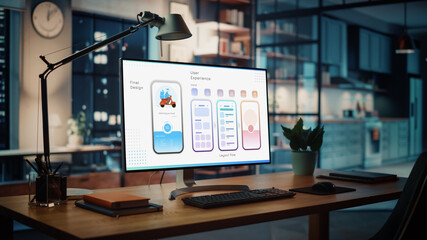
1. A Strong Introduction: Who You Are
Before diving into your work, introduce yourself professionally and engagingly. Hiring managers and clients want to understand your background before exploring your projects. Your introduction should include:
- Your name and role (e.g., UI/UX Designer, Product Designer)
- A short bio summarizing your experience and design philosophy
- Your unique strengths—what sets you apart from other designers
- A professional photo (optional but adds a personal touch)
Avoid generic descriptions and focus on what makes your approach to design unique. Keep it brief but impactful.
2. Showcasing Your Best Work: Case Studies Matter
A strong portfolio isn’t just a gallery of UI screens—it should highlight your problem-solving abilities through detailed case studies. Each project should follow a structured format:
- Project Overview: Briefly explain the problem you were solving.
- Your Role & Responsibilities: Clearly state your contributions.
- Research & Process: Outline how you approached the problem, including user research, wireframing, and prototyping.
- Challenges & Solutions: Describe obstacles you faced and how you overcame them.
- Final Outcome & Impact: Showcase the final design and highlight measurable results (e.g., increased engagement, improved user satisfaction).
Quality matters more than quantity—include 3-5 of your best projects that demonstrate different skills and design approaches.
3. Your Design Process: Highlighting Your Thinking
Hiring managers don’t just want to see polished final designs—they want insight into how you think. Your portfolio should demonstrate your design process, including:
- User Research & Insights: How do you approach understanding user needs?
- Wireframing & Prototyping: Showcase sketches, wireframes, and interactive prototypes.
- Usability Testing & Iterations: Explain how user feedback shaped your designs.
- Design Thinking & Problem-Solving: Highlight the strategic decisions behind your work.
This section helps showcase your analytical mindset, making your portfolio more than just a visual showcase.

4. A Well-Designed, User-Friendly Portfolio
Your portfolio itself is an example of your design skills. A cluttered, hard-to-navigate portfolio can undermine even the best projects. Ensure:
- Clean, minimal layout with intuitive navigation
- Consistent typography and color schemes
- Mobile responsiveness—many recruiters review portfolios on mobile devices
- Clear content structure—use headings and sections for easy scanning
Remember, your portfolio is a reflection of your UI/UX skills—make sure it delivers a seamless user experience.
5. Testimonials & Social Proof
If you’ve received positive feedback from clients, colleagues, or mentors, include testimonials to build credibility. A few well-placed quotes can enhance trust and highlight your professionalism and reliability.
If your work has been featured in design showcases, received awards, or contributed to significant business improvements, mention these achievements. They add authenticity to your portfolio.
6. Highlight Your Skills & Tools
Recruiters and clients often look for specific skills and tool proficiency. Create a dedicated section listing:
- Design Tools: Figma, Adobe XD, Sketch, etc.
- Prototyping Tools: InVision, Axure RP, Marvel
- Research & Testing: Hotjar, UsabilityHub, Google Analytics
- Coding Basics (if applicable): HTML, CSS, JavaScript
This makes it easy for hiring managers to assess whether your skills align with their needs.
7. Optional Additions: Blog & Personal Projects
If you write about design or create personal projects, including a blog section can add value. It shows thought leadership and a commitment to learning.
Additionally, if you have open-source projects, passion projects, or collaborations, consider adding them. This can demonstrate versatility beyond client work.
8. A Clear Call-to-Action (CTA)
The goal of your portfolio is to get hired or attract clients. Ensure your CTA is visible and clear. This could be:
- A "Contact Me" button leading to an email or form
- Links to LinkedIn, Behance, or Dribbble
- A simple email address or phone number
Make it as easy as possible for potential employers or clients to reach out.

Final Thoughts
A great UI/UX design portfolio is more than just a visual showcase—it tells a story of how you think, create, and solve problems. By structuring your portfolio with these elements, you ensure that it effectively demonstrates your skills and makes a strong impression.
Take the time to curate your best work, explain your design process, and present everything in a clean, engaging format. A well-crafted portfolio is your gateway to exciting opportunities in UI/UX design.
Level up your UI/UX skills! Learn to create stunning interfaces and seamless user experiences with our Advanced UI/UX Design Course. Boost your career and design products that stand out.
Enroll today at Kaarwan for more insights!
FAQs
1. How many projects should I include in my UI/UX portfolio?
Aim for 3-5 high-quality projects that showcase a variety of skills, rather than a large number of less impactful pieces.
2. Should I include freelance and personal projects in my portfolio?
Yes, especially if they demonstrate your skills and problem-solving ability. Just ensure they align with your career goals.
3. How do I make my portfolio stand out?
Focus on storytelling, highlight your design process, and ensure a seamless, professional presentation.
4. Should my portfolio be in PDF format or a website?
A portfolio website is preferred as it offers better accessibility and engagement. However, a well-structured PDF can be useful for offline sharing.
5. How often should I update my UI/UX portfolio?
Regularly—update it every 6-12 months to reflect your latest skills, projects, and achievements.